

The thing is that brand consistency is very significant in the modern active market. Brand is what people perceive you to be, whether you are a small business or a large company. When your logo, colours, or message appear in a different place, then people do not trust your brand anymore. Brand management software will assist you in correcting this issue. It provides your entire team with a single storage, sharing and use of brand materials. All of them have access to the correct logos, fonts, templates, and instructions, thus your brand will always appear the same, regardless of the person who uses it.
These tools are also very time-saving. Your team can locate what they need within seconds as opposed to having to scroll through folders or send files back and forth through email. In 2026, the software in brand management is even more intelligent as the business increases and has more people to work with (such as freelancers or agencies). A lot of tools can currently make teams operate faster, work more efficiently, and remain on-brand without additional effort with the help of AI.
What Is Brand Management Software?
Brand management software is a program to assist businesses in maintaining, managing, and distributing their brand content at a single location. It consists of such items as logos, colour codes, fonts, templates, and brand guidelines. It ensures that all persons, including your in-house staff and external affiliates, use appropriate brand assets at all times to maintain the same brand appearance in all outlets.
Key Features of Brand Management Software
- Digital Asset Management (DAM): Store all your brand assets, such as logos, images, videos, etc., in one central library that is easy to search and access.
- Brand Guidelines Portal: Build and publish a live brand guide to ensure that everybody is aware of how and what colours, fonts, and rules to use.
- Template Builder: Prepare social media, ads, and document templates that work so that your team can create content without errors.
- Access Controls & Permissions: Determine who is allowed to see, edit or download brand files, keeping your assets secure and well-organised.
- Collaboration Tools: Teams, agencies, and freelancers can collaborate in real time, making comments, approvals, and version tracks.
- Analytics & Reporting: See the utilisation of your brand assets and discover the most effective.
Benefits of Using Brand Management Software
- Maintains Your Brand Uniform: No one has different logos, colours, and fonts – your brand never looks amateurish, everywhere.
- Saves Time: There is no longer a need to search files to find them or resize logos. Templates help teams to find what they need quickly and create content within a team.
- Enhanced Group Cooperation: Internal teams, freelancers, and agencies may be located in the same place without losing paths in the e-mail communications.
- Secures Your Brand Assets: With access controls, you ensure the right people access the right files, so no old or inaccurate assets are released.
- This Accelerates Approval: In-built review and approval processes imply that content is approved more quickly and with fewer errors. Brands that also use the best business process automation tools alongside their brand management software can streamline repetitive tasks and free up their team for more creative work.
- Grow With Your Company: These tools expand with your company – accommodating more users, more assets and more markets.
Types of Brand Management Software
- Digital Asset Management (DAM) Tools: These aim at the storage and organisation of brand files such as images, videos, and documents in a searchable library.
- Brand Guidelines Platforms: These are assisted in creating and distribute a living brand guide accessible to teams at any time and place.
- Creative Collaboration Platforms: These are oriented at assisting the teams to create, review and approve branded content collectively in real time.
- Resource Management (MRM) Tools: It assists marketing departments with managing campaigns, budgets and brand assets under one roof.
- All-in-One Brand Management Suites: These are a compilation of DAM, brand guidelines, templates, and collaboration within a single platform that is full-fledged. Marketers building landing pages to promote their brand can also explore the best Leadpages alternatives to find more affordable and flexible page-building options.
15 Best Brand Management Software in 2026
1. Bynder
Rating: 4.5/5
Website: https://www.bynder.com/
Best For: Large teams needing centralised brand asset storage and sharing
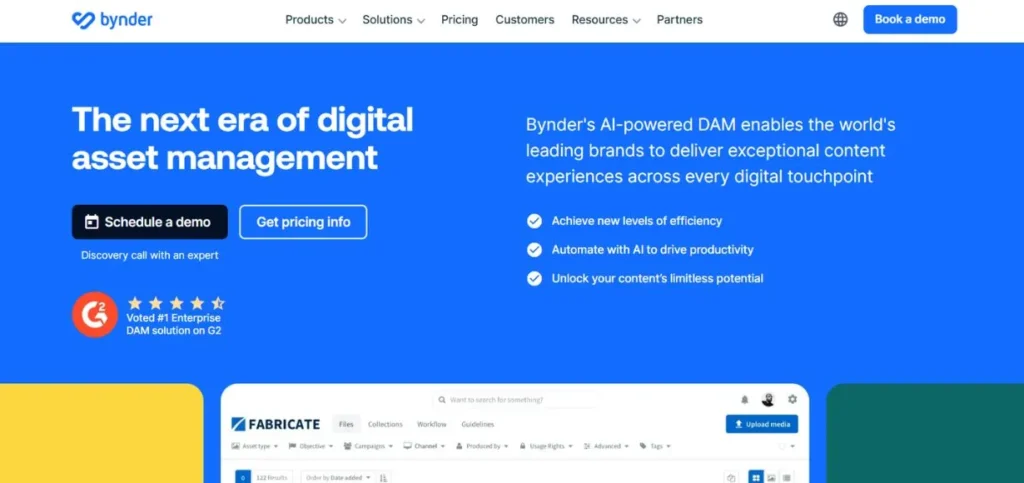
One of the most popular out there brand management tools is Bynder. It serves as a storage, organizing and sharing of all the brand files under one roof by the marketing and creative teams. The interface is clean and easy to use, and the search features are powerful, enabling teams to locate the right asset in a matter of seconds. Bynder also has excellent workflow features, and it has a direct connection to a variety of marketing platforms, making it an excellent choice in larger companies.
Key Features:
- Central digital asset library
- Brand guidelines builder
- Creative workflow approvals
- Smart search and tagging
- 200+ app integrations
Pros:
- Easy to navigate
- Strong integration options
- Great for big teams
Cons:
- Pricey for small businesses
- Learning curve initially
- Limited free features
Pricing: Custom pricing
Also Read: Best Cloud Cost Management Tools
2. Frontify
Rating: 4.6/5
Website: https://www.frontify.com/
Best For: Building beautiful, interactive brand guidelines for all teams
Frontify is a great application when you can desire to make a beautiful brand guide that could be seen by the entire team. It allows you to create a living brand portal, where logos, colours, fonts, and rules of use can be created and maintained. It is highly user-friendly, and teams are so fond of viewing things immaculately and professionally. Frontify is superb in the case of a small brand and a large company, intending to maintain their brand.
Key Features:
- Interactive brand guidelines
- Digital asset management
- Template creation tools
- Team collaboration features
- Easy sharing and permissions
Pros:
- Beautiful brand portals
- Simple to set up
- Great user experience
Cons:
- Costs can add up
- Limited analytics tools
- Some features need upgrading
Pricing: Starts at around $79/month
3. Canto
Rating: 4.4/5
Website: https://www.canto.com/
Best For: Mid-size companies managing large collections of brand images and files
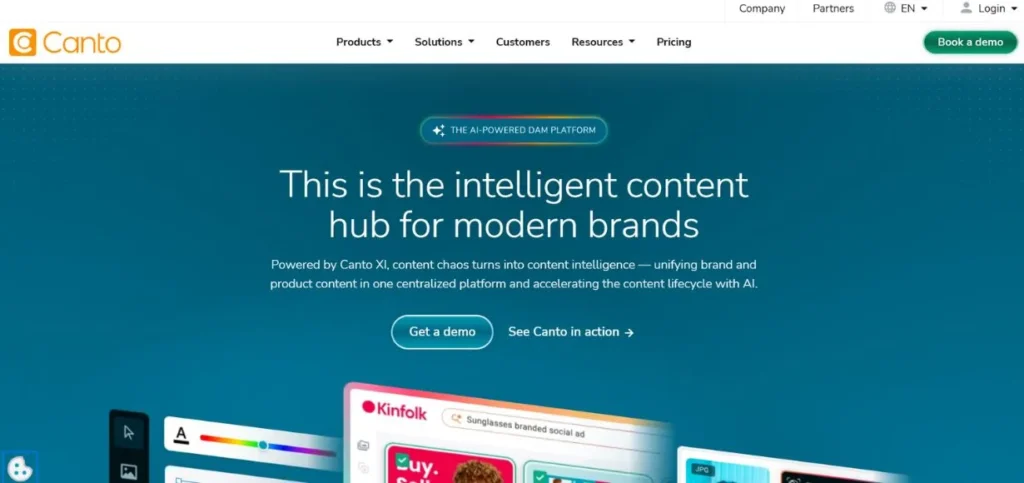
Canto is a sound digital asset management platform that simplifies storage, discovery, and distribution of brand content. It has a very clean interface and an intelligent AI-driven search that assists teams in finding what they need in a hurry. It is possible to label files, make folders, and share collections with other partners without threat. The best option is Canto in case your team works with an abundance of photos, videos, and creative materials daily.
Key Features:
- AI-powered asset search
- Smart folders and tagging
- Secure file-sharing portals
- Version control
- Integration with Adobe tools
Pros:
- Fast, smart search
- Clean, simple interface
- Secure sharing options
Cons:
- Limited template features
- Basic reporting tools
- Mobile app needs improvement
Pricing: Custom pricing
4. Brandfolder
Rating: 4.7/5
Website: https://www.brandfolder.com/
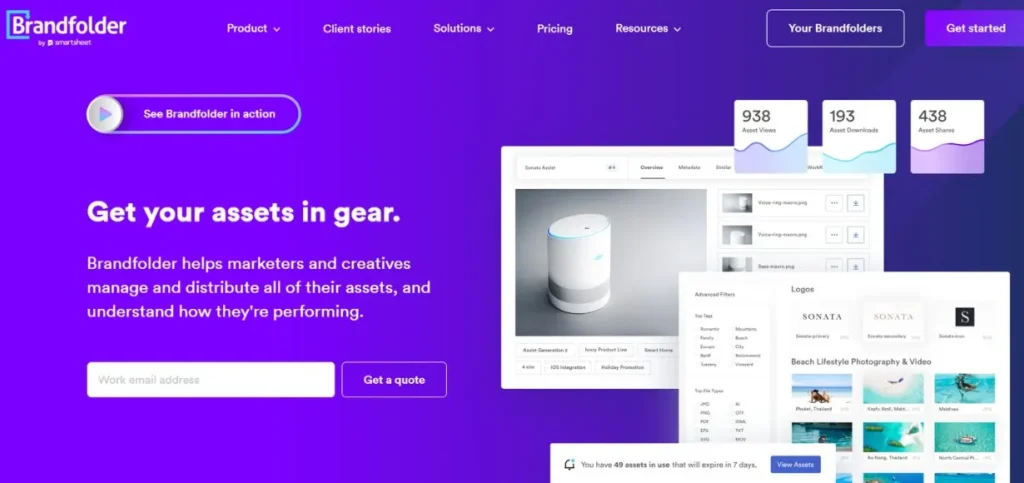
Best For: Teams that need smart asset management with built-in analytics
Canto is a sound digital asset management platform that simplifies storage, discovery, and distribution of brand content. It has a very clean interface and an intelligent AI-driven search that assists teams in finding what they need in a hurry. It is possible to label files, make folders, and share collections with other partners without threat. The best option is Canto in case your team works with an abundance of photos, videos, and creative materials daily.
Key Features:
- AI-powered asset organization
- Brand usage analytics
- Customizable brand portals
- CDN-powered fast delivery
- 300+ integrations
Pros:
- Excellent analytics dashboard
- Very smart AI features
- Tons of integrations
Cons:
- Can be expensive
- Complex for new users
- Requires onboarding time
Pricing: Custom pricing
5. Widen Collective
Rating: 4.4/5
Website: https://www.widen.com/
Best For: Enterprises managing large-scale brand and product content
Widen Collective is a powerful enterprise-level solution that integrates content management of products with management of digital assets. It is designed to handle bigger companies where it is required to manage thousands of brand files and product images simultaneously. Widen provides you with significant control of permissions, as well as metadata and workflows. It is a stable, safe site that big teams rely on to store their brand and product content in place.
Key Features:
- Enterprise DAM system
- Product content management
- Advanced metadata and search
- Workflow and approvals
- Analytics and reporting
Pros:
- Powerful enterprise features
- Strong data management
- Reliable and secure
Cons:
- Not great for small teams
- Steep learning curve
- Expensive licensing
Pricing: Custom pricing
6. Air
Rating: 4.5/5
Website: https://www.air.inc/
Best For: Creative teams looking for a simple, visual asset workspace
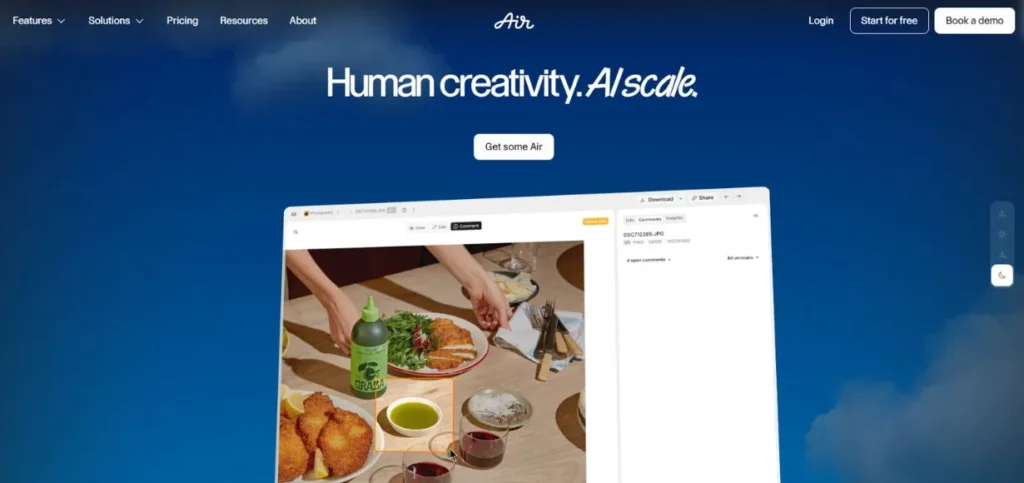
Air is a contemporary and extremely clean device that is designed to be used by creative teams. It is more or less like a visual workspace where you can put up, organize and share brand resources without things getting into a mess. Its basic drag-and-drop interface, as well as the ease with which one can leave feedback on pictures or videos, is greatly appreciated by teams. Air is the best option for smaller creative teams or startups who want that quick and easy-to-use option.
Key Features:
- Visual content workspace
- Easy drag-and-drop uploads
- Direct feedback on assets
- Guest access and sharing
- Slack and Figma integration
Pros:
- Very easy to use
- Great for visual teams
- Clean, modern design
Cons:
- Limited advanced features
- Not built for enterprises
- Storage limits on lower plans
Pricing: Starts at $6/user/month
7. Extensis Portfolio
Rating: 4.2/5
Website: https://www.extensis.com/
Best For: Photography and media companies managing large image libraries
Extensis Portfolio is a long-time digital asset management tool that is respected. Teams with a large amount of images and media files are best with it. It has powerful organisation and search capabilities in photos, and is compatible with the Adobe Creative Cloud. It is a sure bet in photography studios, publishing houses and media houses that require a solid, low-frills asset management system.
Key Features:
- Large image library management
- Adobe CC integration
- Smart keywords and tagging
- Web access and sharing
- Batch file processing
Pros:
- Great for large image libraries
- Strong Adobe integration
- Easy batch processing
Cons:
- Outdated interface design
- Limited collaboration tools
- Not ideal for non-media brands
Pricing: Starts at $12.50/user/month
8. Marq (formerly Lucidpress)
Rating: 4.3/5
Website: https://www.marq.com/
Best For: Teams that need easy branded templates for everyday content creation
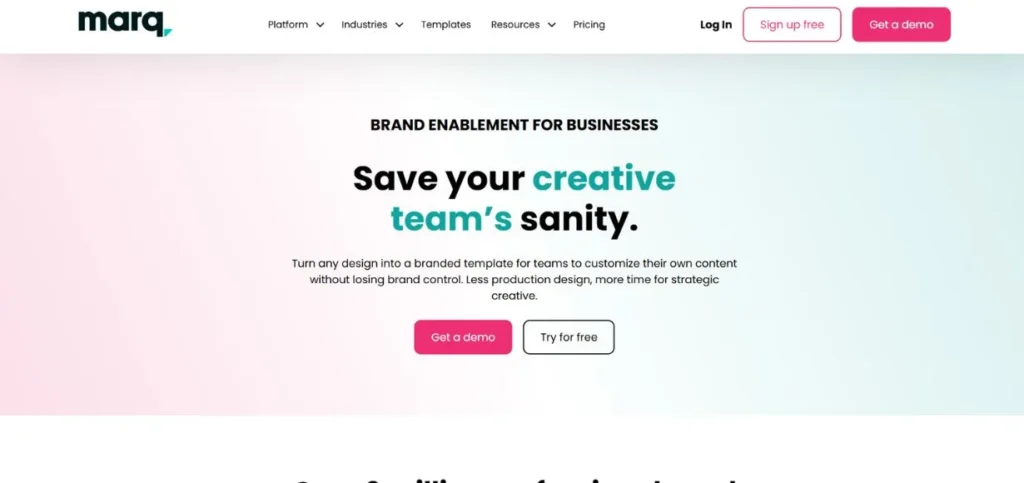
Marq is a fantastic application that will be loved by a team that wants to produce on-brand content without hiring a designer on a case-by-case basis. It allows you to lock brand information, such as logos and colours, in templates so that team members can make content changes within established regulations. It works well with sales teams, franchises or distributed teams who require fast production of branded materials whilst maintaining all the consistency and being professional.
Key Features:
- Locked brand templates
- Drag-and-drop editor
- Team asset library
- Approval workflows
- Print and digital output
Pros:
- Very easy for non-designers
- Brand-safe templates
- Great for distributed teams
Cons:
- Limited design flexibility
- Basic asset management
- Fewer integrations
Pricing: Starts at $10/user/month
9. Lytho
Rating: 4.4/5
Website: https://www.lytho.com/
Best For: Marketing teams that need both brand guidelines and creative workflows
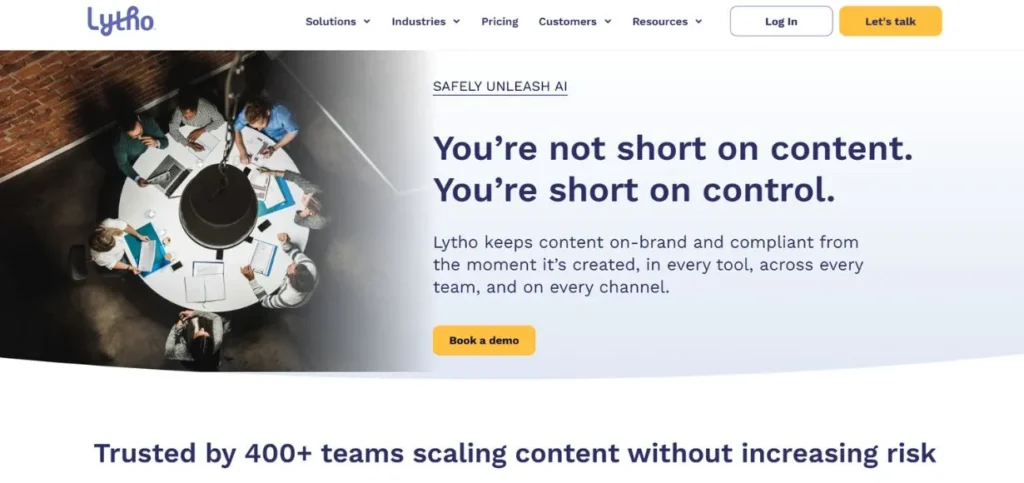
Lytho is a combination of brand rules and innovative project management, which is why it is a clever one-stop solution for advertising teams. You are able to store your brand assets, construct a brand guide, and manage the work of your creative team all through a single dashboard. It comes in particularly handy when the team frequently collaborates with outside agencies and freelancers because the entire team is kept on the same page, and the review is made much easier.
Key Features:
- Brand guidelines platform
- Creative project management
- Asset library and sharing
- External partner access
- Review and approval tools
Pros:
- Great workflow management
- Easy external collaboration
- All-in-one solution
Cons:
- Smaller platform, fewer integrations
- The interface can feel busy
- Takes time to set up
Pricing: Custom pricing
10. mangoapps
Rating: 4.3/5
Website: https://www.mangoapps.com/solutions/workforce-management
Best For: Enterprises automating the creation of large volumes of branded content
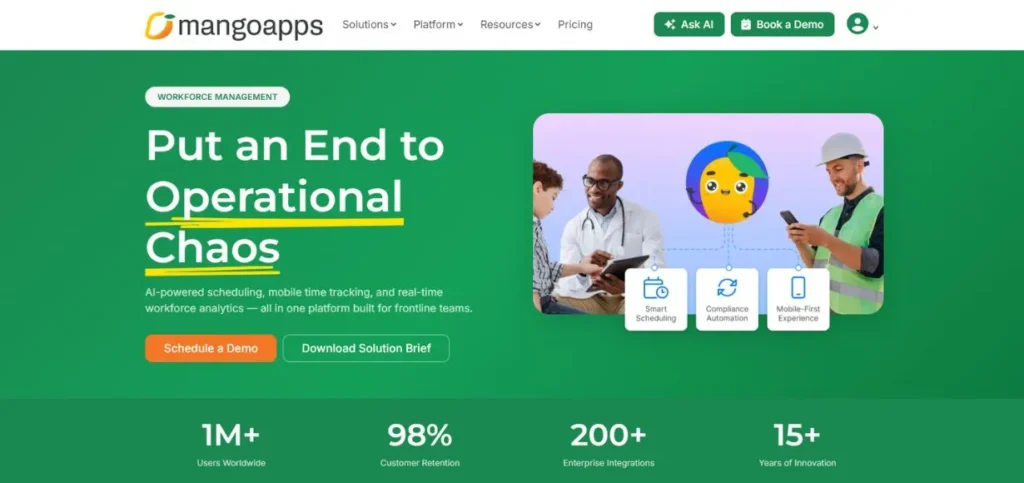
mangoapps is an excellent option in the case of large companies that require large quantities of branded content within a short period of time. It allows the marketing teams to design templates that can be tailored by the business users inside business rules without any design knowledge. It works well with brands that have numerous locations or franchises, where local teams have to create their own materials without going out of brand. It has automation features, which are a true time-saving feature in high-volume content creation.
Key Features:
- Template automation engine
- Self-service branded content
- Brand controls and locking
- Multi-location management
- Print and digital exports
Pros:
- Great for high-volume content
- Strong template controls
- Perfect for franchise brands
Cons:
- Can be complex to set up
- Not great for small teams
- Requires admin management
Pricing: Custom pricing
11. Papirfly
Rating: 4.2/5
Website: https://www.papirfly.com/
Best For: Global brands needing consistent content across multiple markets
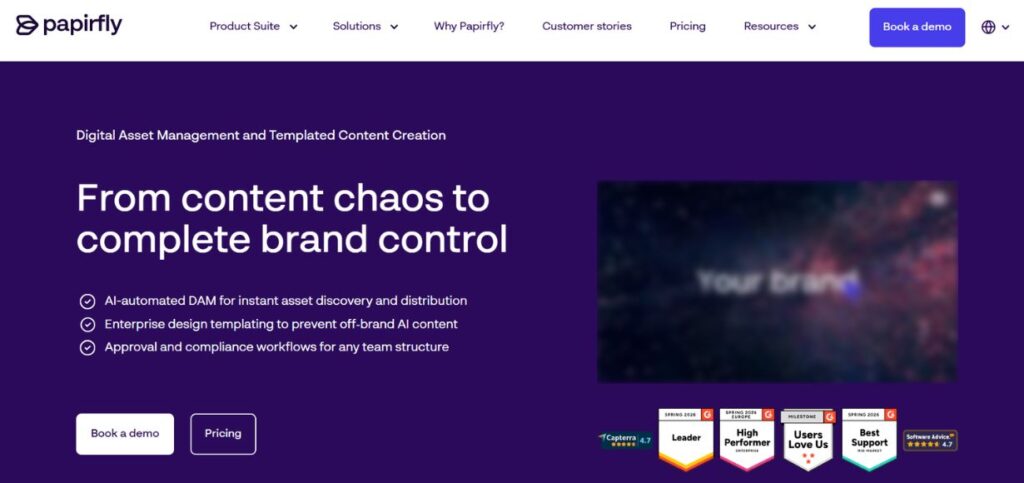
Papirfly is aimed at multinational organisations that require their brand to remain the same in numerous countries and divisions. It consolidates brand management, asset creation and training tools. It has one of the best functions to offer brand training to new employees through a brand academy module. Papirfly is a good choice in case you have a brand in different locations, and you want the people to conduct things similarly.
Key Features:
- Brand guidelines and training
- Digital asset management
- Template content creation
- Multi-market management
- Brand performance tracking
Pros:
- Great for global teams
- Built-in brand training
- Strong multi-market support
Cons:
- Expensive for smaller brands
- Interface not very modern
- Limited third-party integrations
Pricing: Custom pricing
12. Hootsuite (for Social Brand Management)
Rating: 4.2/5
Website: https://www.hootsuite.com/
Best For: Businesses managing brand presence across multiple social media platforms
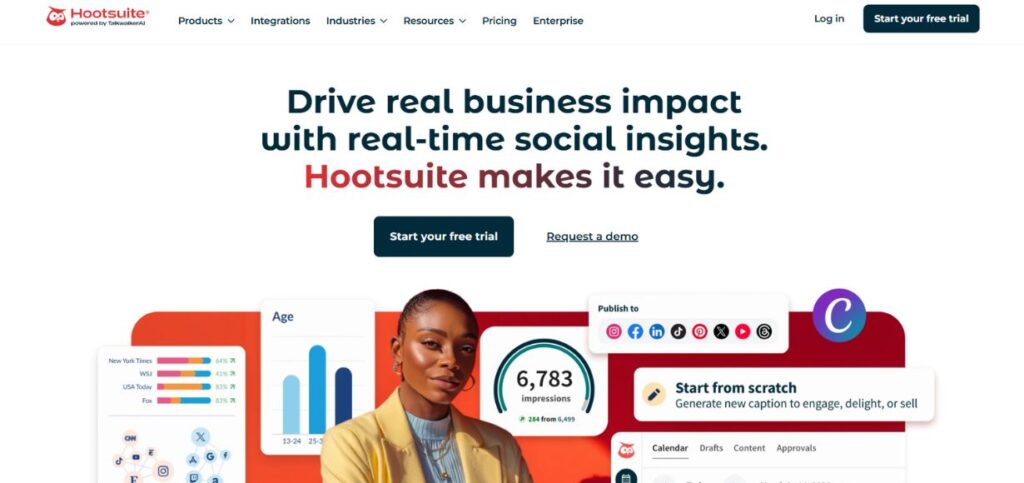
Hootsuite is one of the social media management tools that helps you to keep your brand on track online. You are able to have a schedule post, be in charge of more than one social account and monitor the performance of your brand, all in a single dashboard. It is associated with a content library in which you can save authorised brand assets in order to use them in social applications. It is an intelligent decision when marketing departments have social media sites as their primary brand outreach.
Key Features:
- Multi-platform scheduling
- Content and asset library
- Social brand monitoring
- Team collaboration tools
- Analytics and reporting
Pros:
- Easy social media management
- Good analytics features
- Wide platform support
Cons:
- Not a full brand management tool
- Can get pricey at scale
- Limited asset management features
Pricing: Starts at $99/month
13. Canva for Teams
Rating: 4.6/5
Website: https://www.canva.com/
Best For: Small to mid-size teams creating branded visual content quickly
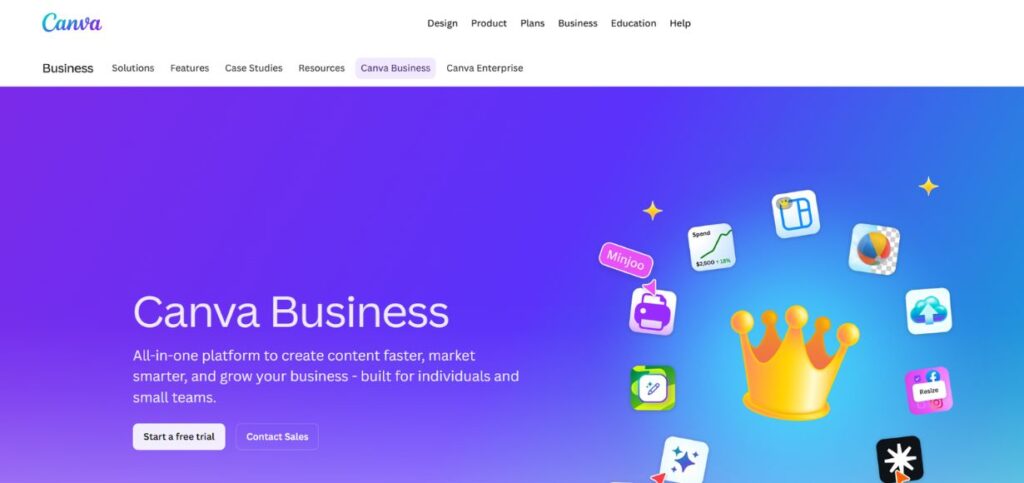
One of the most popular and easiest tools to create branded content is Canva for Teams. You are free to upload your brand kit colours, fonts, and logos, and with thousands of ready-made templates, create social posts, presentations, flyers, and so on. The team plan allows you to distribute a brand kit throughout your entire team in order to create on-brand content. It works best with small businesses and small teams that desire great design but do not want to get a designer.
Key Features:
- Brand kit with colours and fonts
- 100,000+ design templates
- Team collaboration features
- Asset library and sharing
- One-click resize for any format
Pros:
- Very easy to use
- Affordable for teams
- Huge template library
Cons:
- Limited advanced DAM features
- Not ideal for large enterprises
- Brand controls are not fully lockable
Pricing: Starts at $14.99/user/month
14. Salsify
Rating: 4.3/5
Website: https://www.salsify.com/
Best For: Product brands managing brand and product content across retail channels
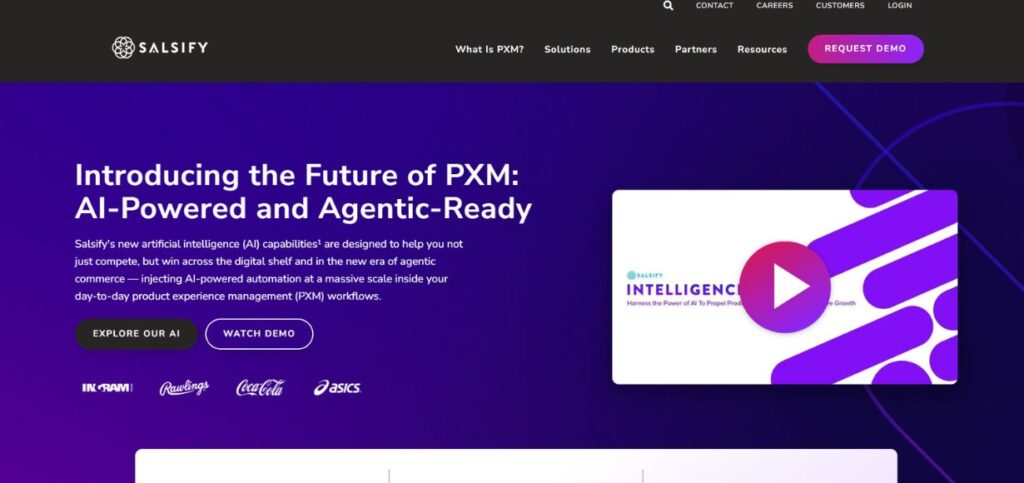
Salsify is a product experience management platform that assists in the management of product content, product images, and descriptions on hundreds of retail channels. In case you have products on various online retailers and marketplaces, Salsify ensures that your brand and product data appear the same across all platforms. Consumer good companies, retailers, and manufacturers in particular find it particularly useful to ensure the product content is on-brand and accurate at scale.
Key Features:
- Product content management
- Retail channel syndication
- Digital asset management
- Workflow and approvals
- Performance analytics
Pros:
- Great for product brands
- Strong retail integrations
- Keeps content consistent everywhere
Cons:
- Not suited for service brands
- Steep setup learning curve
- Higher price point
Pricing: Custom pricing
15. Brandy
Rating: 4.3/5
Website: https://brandyhq.com/
Best For: Small businesses and agencies needing affordable brand asset storage
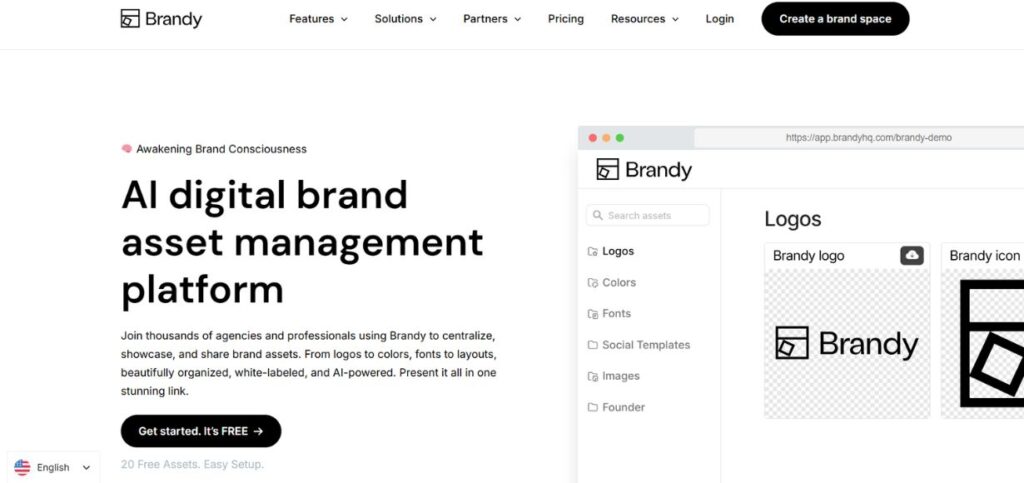
Brandy is a small, inexpensive digital asset management and brand management program designed exactly to suit small-scale companies and agencies. It helps you store, organize and share brand files with your team and clients in a very easy manner. You can build a branded file-sharing portal using your own colours and logo. Brandy is a barebones solution with a relatively low cost that fulfils the bare minimum exceptionally well without the expensive cost of enterprise solutions.
Key Features:
- Branded file-sharing portal
- Digital asset library
- User access and permissions
- Client sharing features
- Custom branding options
Pros:
- Very affordable pricing
- Easy to get started
- Great for agencies and clients
Cons:
- Limited advanced features
- No template creation tools
- Basic workflow options
Pricing: Starts at $29/month
Free vs Paid Brand Management Tools
Choosing between free and paid brand management software depends on your business size, needs, and budget. Here’s a simple breakdown:
| Feature | Free Tools | Paid Tools |
| Storage Space | Limited (usually 2–5 GB) | Large or unlimited storage |
| Number of Users | 1–3 users | Unlimited or role-based users |
| Brand Kit | Basic color/font storage | Full brand kit with controls |
| Templates | Limited templates | Thousands of locked templates |
| Integrations | Few integrations | 100+ app integrations |
| Analytics | None or very basic | Detailed usage analytics |
| Support | Community or email only | Priority/dedicated support |
| Custom Branding | Usually not available | Fully customizable portals |
- Free: Options such as the Canva free plan or Google Drive are okay in case you have a small team and have just started. They assist you in saving files and in making simple designs without spending a single penny.
- Paid: When your business is developing, paid tools are worth the investment. They provide you with more control, storage and smarter features as well as the capability to maintain your brand with one of the many channels and large teams.
- We would recommend: Use the free trial of a paid tool, such as Canva Teams or Frontify, to explore which features are the most important to you first before committing.
Conclusion
One of the most crucial things that you can do about your business is to manage your brand well. The 15 tools on this list apply to all types of businesses, whether you are a small startup business using Canva as Teams, or a large company using Bynder or brandfolder. The tool that fits your needs will be based on your team size, the number of assets you have under management and the features that can be considered most important.
Startups looking to build their brand digitally should also explore the best AI app builder platforms for startups, developers & entrepreneurs to launch faster without heavy development costs.
Begin by considering your greatest issue – do you have a problem with locating files fast? Keeping templates on-brand? Contracting external agencies? After you have known that, choose the tool that will most likely solve it. Most of these tools come with a free trial, so there is no need to fear that you have to test several of them before making a decision. An effective brand management tool will save your team time, minimise errors, and ensure that your brand is going to be its best.
Frequently Asked Questions (FAQs)
Which is the most appropriate brand management software for a small business?
Canva for Teams and Filecamp are the most suitable in the case of small businesses. They are cheap, simple to apply and can fulfil the bare minimum, such as storing brand assets and making templates without a steep learning curve and high expense.
Does brand management software differ from digital asset management (DAM)?
Yes, but they overlap a lot. Digital asset management (DAM) is primarily concerned with file management, such as images and videos. Brand management program does the same, yet it also has brand directions, template programs, and uniformity. A range of contemporary instruments is a combination of the two.
What is the price of brand management software?
The prices are very different according to the tool and plan. The simplest tools cost as low as $6–30/month, and more advanced commercial tools such as Bynder or Brandfolder operate on a custom pricing model that may approach thousands of dollars monthly. Most of the tools have a free trial so that you can try before purchasing.
Is it possible to apply brand management software to social media?
Yes! Application Software Hootsuite and Canva for Teams will be excellent for social media management of your brand. You can save approved content, make on-brand posts via templates, and schedule on numerous platforms, all without losing your visual brand.
Is brand management software necessary when I have a small team?
Brand management software is good even in small teams. When brand files are stored in various locations by everybody, errors occur, such as the logo being in the wrong place, color is old, or there being a variation in fonts. An easy application such as Canva for Teams or Air can keep your entire team on track without incurring significant expenses and save a lot of time in the long-run.