
The scrap recycling business has become a powerhouse industry in India, with the estimated scrap recycling industry valuing ₹1.8 lakh crore in 2026, with a compound annual growth rate (CAGR) of 12.4% since 2023. Through the ambitious Swachh Bharat Mission 2.0 and the circular economy initiatives by the government, the scrap business is no longer an informal waste collection, but a structured and technology-intensive business with high potential of making large profits.
Today, more than 43 million tonnes of scrap are being recycled in India every year, but it is unable to recycle all of its total waste, and so there is massive potential in entrepreneurship. Metal scrap Trade Corporation (MSTC) indicated that the imports of metal scrap alone were over $4.2 billion in 2025, with a domestic collection infrastructure expanding at a rapid rate.
This is a detailed manual on how to start and expand a Profitable Scrap Business in India’s booming recycling industry.
What Is a Scrap Business?
The scrap business is a systemic retrieval, categorizing, treatment and sale of discarded materials, which still have the capacity to be recycled. These are metals, plastics, electronics and paper materials found in households, industries, construction and commercial premises, which are sold to recycle units, manufacturing firms as well as foreign markets.
The scrap industry plays the most important role of linking waste production with the recovery of resources, transforming the environmental liability into an economic asset, and helping the manufacturing industry in India to have a source of cheap raw materials.
Scope
The scrap industry generates revenue from various sources:
- Collection and aggregation: comprises the entry-level segment that involves garnering recyclables by the businesspeople in residential societies, offices, restaurants and business complexes.
- Sorting/segregation: operations represent an add value product by sorting and categorizing materials differentiating on the basis of type, grade, and quality, and selling at a high premium price to buyers.
- Processing and trading: is the more lucrative division, which entails cleaning, compacting, shredding, or primitive processing and following wholesale distribution.
- Specialized recycling: is specialized in niche materials such as e-waste, medical plastics or recovery of precious metals which must have technical expertise and compliance certifications.
Also Read: World Best Business Opportunity
Why Start a Scrap Business in India
Strong Market Demand
The manufacturing renaissance in India has caused insatiable demand of recycled raw material for a Profitable Scrap Business in India. The 45-50% of the input that steel mills receive is in form of scrap metal; hence it costs less than processing virgin ore. The automobile industry absorbs more than 8 million tonnes of recycled aluminum and steel on an annual basis. The amount of production volume is 25-30 per cent recycled fiber by paper manufacturers. Recycled aggregates and metals are becoming a growing specification in construction companies to comply with green building certifications.
Environmental Impact
Scrap business is a good start to become a sustainability champion. Each tonne of recycled steel saves 1,400 kg of iron ore and 740 kg of coal and reduces CO2 emissions by 58 percent compared with primary production. Plastic recycling helps to avoid ocean contamination and the development of microplastic – rivers in India transfer about 126000 tonnes of plastic to the oceans each year.
Low to Moderate Startup Costs
Contrary to manufacturing businesses that are capital-intensive, scrap businesses have scalable entry points. A small -scale paper collection business can start with 15-25000 in weighing scales, storage bags, and inventory. Shared transport mobile collection services need 50,000 -1,00,000 investments.
Most Profitable Scrap Business Ideas in India for 2026
1. Metal Scrap Recycling
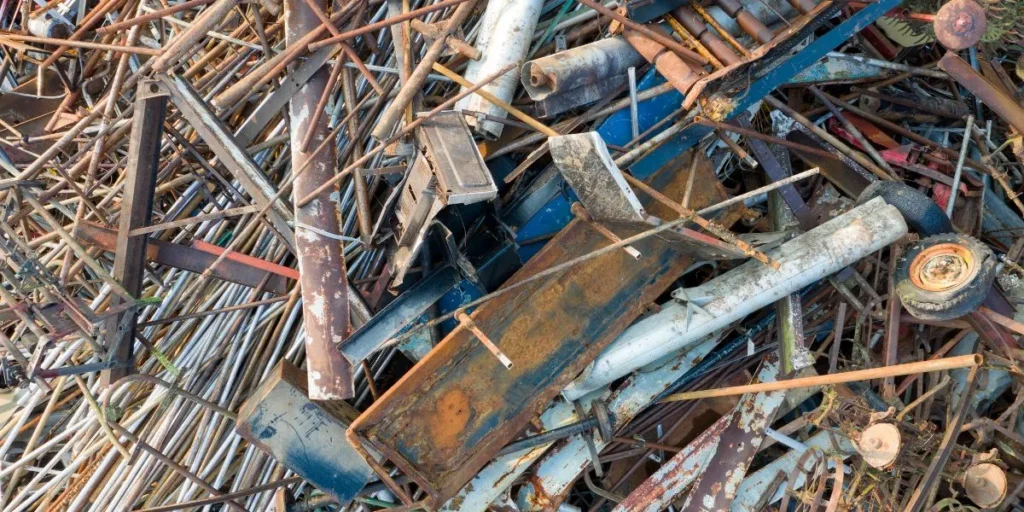
Metal scrap is the most significant category of recycling that is traded in India and the ferrous as well as non-ferrous metals are estimated to amount to ₹95,000 crore in 2026. In 2025, the industry handled 18.2 million tonnes of ferrous scrap, and 2.7 million tonnes of non-ferrous metals, and the volumes were increasing at a rate of 9.3 per cent.
The proportion of secondary steel production to the total steel output has increased to 47 percent in India due to the cost advantage in energy, recycled steel consumes 60 percent of the energy used to produce primary steel.
2. E-Waste Recycling
In India, 4.2 million tonnes of electronic waste are produced each year, which is the third largest figure worldwide, after China and the USA but officially only 22.5% of it is processed by legitimate electronic waste recycling channels. This gap is enormous potential for a Profitable Scrap Business in India since the EPR compliance widens and the consumer electronics penetration advances.
In 2026, the structured e-waste recycling industry grew to 12,500 crore and has a CAGR growth of 22% due to the replacement cycle of smartphones of 24 months and appliance replacement trends.
3. Plastic Scrap Recycling
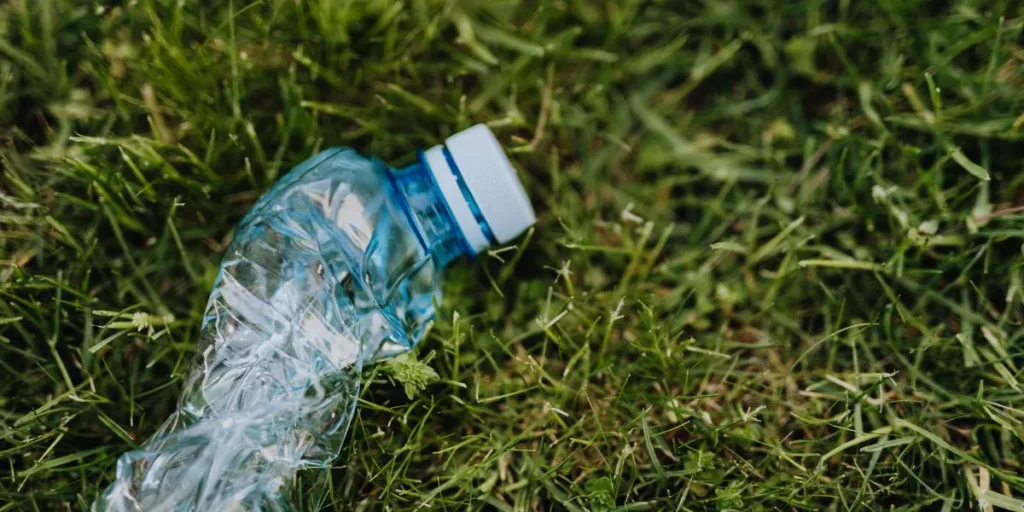
In 2025, India consumed over 22 million tonnes of plastics and post-consumption generated 5.6 million tonnes of waste and out of this, 60 percent of it goes uncollected or poorly discarded. Extended Producer Responsibility requires brand owners to make sure that packaging materials are recycled, making this segment crucial for a Profitable Scrap Business in India, the organized plastic scrap market, standing at 28,000 crore in 2026, is benefiting by applying these rules to the brand owners of PepsiCo, Coca-Cola, HUL and ITC which joined hands to dispose over 400,000 tonnes of plastic garbage every year through registered recyclers.
4. Vehicle Scrap Yard / Automobile Dismantling
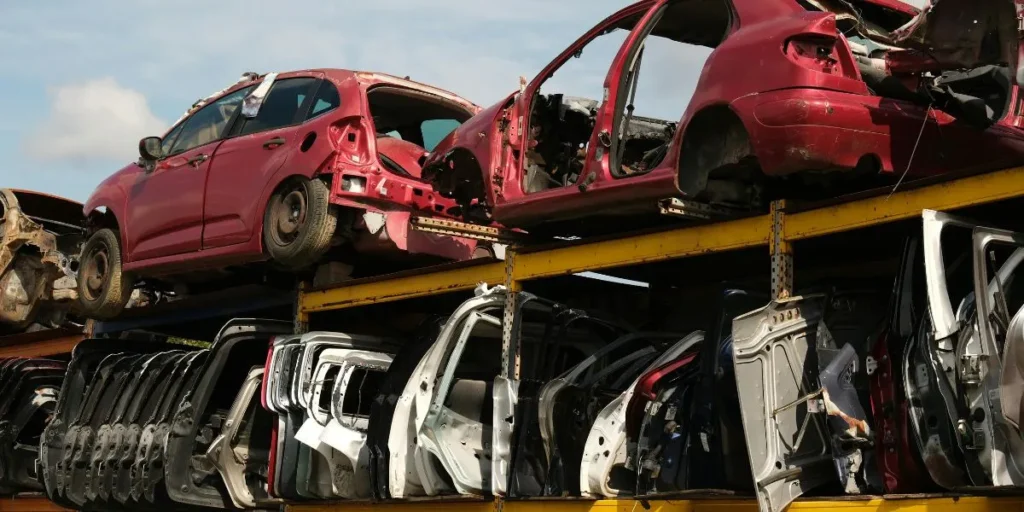
The vehicle scrapping policy was introduced in India, becoming fully operational in 2023, which requires deregistration of commercial vehicles over the age of 15 and personal vehicles over the age of 20, which forms a regulated end-of-life vehicle (ELV) market valued at 2.8 million vehicles by 2026, creating new opportunities for a Profitable Scrap Business in India. The National Automobile Scrap Policy encourages scrapping by offering road tax waivers and discounts on new car purchases, which accelerates its implementation.
The formal automobile break-up market by 2026 hit 8,200 crore and is projected to rise by 16.5% a year as the government-approved Registered Vehicle Scrapping Facilities (RVSFs) replaced informal kabaadiwalas.
5. Paper & Cardboard Collection
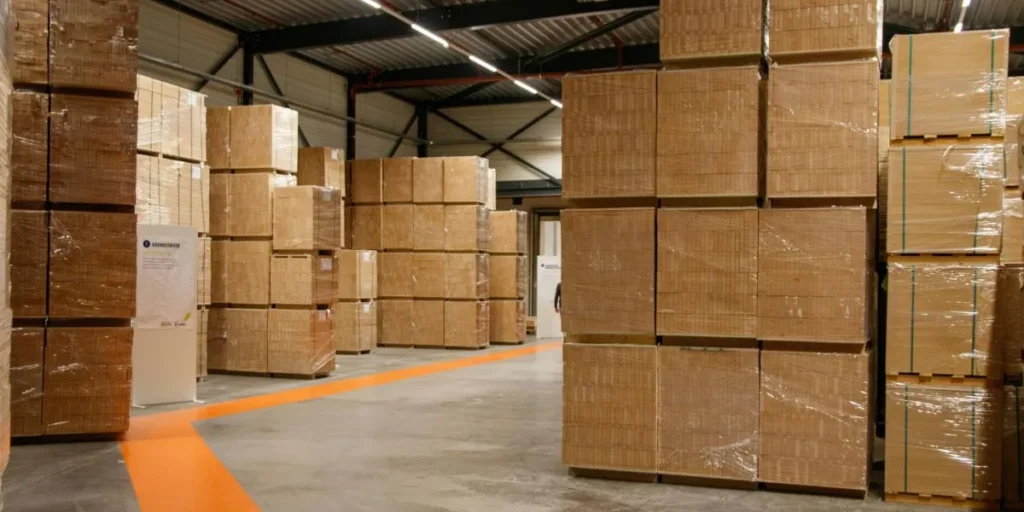
The paper and packaging industry of India used 14.2 million tonnes of recycled fiber in 2025 which constitutes 45% of the total raw materials input and worth 38,000 crore. The rise in e-commerce increased the amount of cardboard waste. Amazon, Flipkart, and other sites produced more than 2.1 million tonnes of corrugated packaging in 2025, and this figure is expected to hit 3.5 million tonnes in 2028.
Digitization, despite the downward trend in office paper consumption, generates 1.8 million tonnes of recoverable white ledger and mixed office paper yearly.
6. Battery Scrap Collection & Lead Recovery
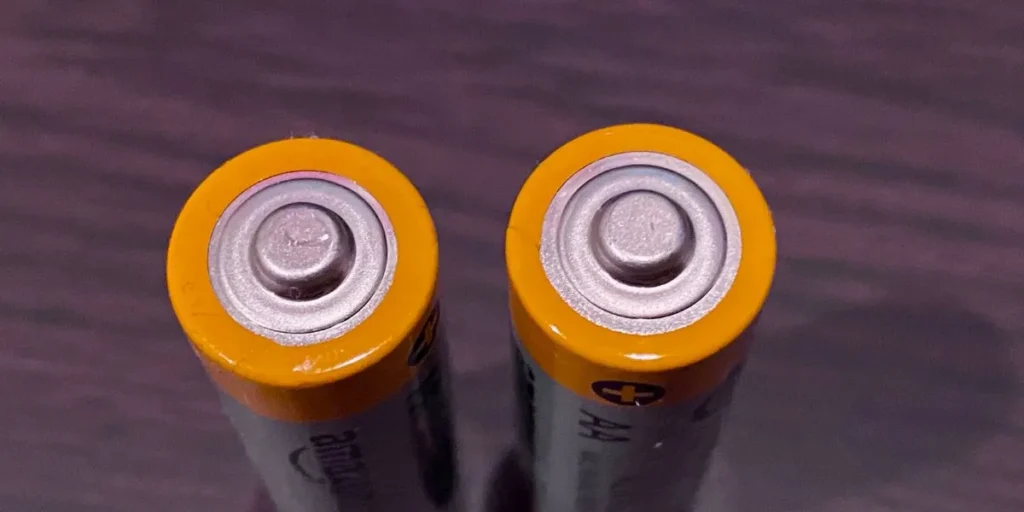
In India, the automotive and industrial battery segment resulted in about 485,000 tonnes of lead-acid battery waste in 2025, under which the organized recycling industry collected 85% of lead-acid battery wastes using manufacturer take-back schemes and registered recyclers.
Due to the economics of lead recovery, the battery scrap market was estimated at 16,500 crore in 2026, as recycled lead is just one-fourth to one-third cheaper than primary refined lead and still meets the same quality standards used in battery manufacturing.
Scrap Business Startup Cost (2026 Estimates)
Basic Cost Breakdown
Micro Scale Collection (Home-Based): 20000-60000.
- Electronic weighing balance(50-200 kg): 4000-12000.
- Storage bags, bins, and containers: ₹ 3,000- ₹ 8,000.
- Simple equipment (cutters, magnets, gloves): 2000-5000.
Aggregation Business Small-Scale (Rented Space): 2,00,000 to 5,00,000.
- Godown/ warehouse rent (3-6 months in advance): 60,000-1,80,000.
- Electronic weighing machines (platform scale): 15000-35000.
- Arrangement of equipments and storage facilities: 25000-60000.
Medium Scale Processing Unit: 7,00, 000-25, 000,000.
- Land/warehouse (purchase or long lease): 3 00, 000-12, 00, 000.
- Processing equipment (balers, shredders, granulators): 200000-700000.
- Weighbridges and new weighing: 0.80-2.5K.
Special E-Waste Recycling or Battery Recycling: 25,000-150,000.
- Certified plant installation and pollution mitigation: 15,00, 000-80,00,000.
- Dismantling and processing equipments specialized: 08,00,000-50,000.
- Safety gear and the hazmat infrastructure: 1,50,000-8,00, 000.
City Tier Cost Variations
Metro Cities (Mumbai, Delhi, Bangalore, Chennai):
Metro infrastructures are 40-60 percent more expensive than the national ones. The rent of warehouses is 40-80 per sq ft/month on average, compared to 15-30 in smaller cities. Nevertheless, metros will provide better material availability, increased scrap prices (8-15% premiums), access to export markets and established buyer networks.
Tier-1 Cities (Pune, Ahmedabad, Hyderabad, Kolkata):
The best combination of cost and benefit- 30-45% of metros real estate costs, good material flows and access by buyers. There is an adequate transport infrastructure to serve the collection logistics.
Tier-2/3 Cities and Towns:
Have the lowest startup costs (50-70% of metro) and zero to minimal competition, but also have problems such as less material volumes, a poor price discovery process, fewer buyer options that mean people have to travel outside their market and a less advanced supplier network.
Licensing & Legal Requirements
- Basic Trade License: Every scrap business will need trade licenses by the municipal corporation which are taken out with local firms. Process entails the submission of business plan, premises proof and identity documents with a fee of 2000- 10000 depending on the tier of the city. Renewal occurs annually.
- GST Registration: This is required in a business with annual turnover of over 40 lakhs (20 lakhs in special category states). Most materials that are to be traded under scrap attract 18% GST on the margin, and reverse charge facilities are to be used when they are bought by an unregistered seller.
- Registration of the Shops and Establishments Act: It is required by businesses that employ people and is issued by the state labor departments at a nominal fee ( 100-3000). Regulates the employment conditions, work hours and pay adherence.
- Fire Safety Clearances: This is an absolute necessity that is required when the size of the warehouse is over 500 sq meters or where the material stored is combustible. Acquired at fire departments between 5,000 and 25,000.
- Import-Export Code (IEC): This is obligatory to the international trade and it is received at no charge using the portal of DGFT which allows exports of the processed scrap to foreign purchasers.
- Weightbridge Certification: Weighing equipment that is not used by a company commercial is certified by the legal metrology department, which is charged at least 3,000 to 8,000 every year (on a voluntary basis).
- EPR Registration: Companies that collaborate with brand owners in terms of the compliance with the principles of the Extended Producer Responsibility should become members of the centralized portal of CPCB, which will allow them to be considered as the collecting point of the packaging waste, electronic devices, or batteries. Registration is free but with documentation of processing capabilities or collaboration with authorized recyclers.
- Business Insurance: Although not legally obligatory, all-inclusive insurance in terms of inventory, premises, vehicles, liability, and accidents of the employees amounts to ₹15,000-75,000 every year and covers the claims related to material theft, fire damage, and workers injuries.
Step-by-Step Guide to Start Your Scrap Business
Step 1: Research and Specialization Choice (Week 1-2)
Carry out a market research within the area of your business. Pay a visit to current scrap dealers to know the prices, flows of the materials and relations with the buyers. Determine gaps- maybe the e-waste collection is not covered, or the sorting of plastic should be improved.
Step 2: Financial Modeling and Business Planning (Week 2-3)
Make elaborate forecasts of startup costs, monthly operating expenses (rent, labor, transport, utilities), volumes of materials, price assumptions and revenue forecasts. Exemplar best-case, base-case and worst-case.
Step 3: Selecting a location and setting up premises (week 3-6)
In the case of collection businesses, home-based business minimizes the costs as it tests feasibility. To aggregate, to rent secure 500-2,000 sq ft of warehouse in the industrial areas, which should be accessible to transport routes as well as suppliers.
Step 4: licensing and registrations (week 4-8)
Start municipal trade license application by the filing of essential documents to local municipal corporation. At the same time submit an application to GST registration. In case there are environmental clearance requirements, hire consultants (10,000-50,000 cost) to execute applications and deal with SPCB, since self-help strategies are usually rejected on technical grounds.
Step 5: Procurement of Equipment and Infrastructure (Week 610)
Certified purchase scales of vendors assuring the metrology legality mistakes marks. Purchase sorting bins, storage facilities and simple equipment (metal sorting magnets, plastic type markers, safety equipment).
Task 6: Supplier Network Development (Week 8-12)
Profitability is based on material sourcing. Set up points of collection in a variety of mediums:
- Residential societies: Approach RWA committees that provide the convenient front door pick-up at reasonable rates, which may have exclusive deals.
- Business offices: Respond to businesses, restaurants, retail outlets, hotels to have frequent pickups.
- Plants of industries: Vocational aims, metal work shops of bulk ferrous/ non-ferrous scrap.
- Institutional sources: Schools, hospitals, government offices provide the regular paper, plastic, e-waste amounts.
- Informal collectors: Establish contacts with kabaadiwalas and waste pickers and provide them with better rates than existing aggregators so as to divert the material flows.
Step 7: Buyer Relationship Establishment (Week 10 14)
Before the large inventories are accumulated, identify and reach the end buyer. Recycling contact plants, production facilities, export offices and huge aggregators. Know their quality requirements, the minimum quantities, terms of payment, and their preferences in the logistics.
Step 8: Launching of Operations and Refining Process (Month 4 and onwards)
Launch small operations to test all systems including logistics of collection, sorting accuracy, management of storage, billing processes, and buyer interactions. Determine bottlenecks of workflow and optimize. Introduce quality management that will guarantee that materials delivered to the buyer are at the required specification (moisture content, contamination, grade purity).
Step 9: Scaling and Diversification (Month 6-24)
When the core operations become stable and profitability is created, grow strategically. Introduce complementary material types using existing facilities- metal dealers will add e-waste, paper businesses will add plastic etc. Expand the scope of collection by having more vehicles and manpower.
Online Scrap Business — How to Start in 2026
Digital scrap sites transformed India to a recycling industry because they did not need physical infrastructure and had the ability to scale at a level that the traditional mode could not. The online scrap businesses are marketplace businesses that create a connection between waste generators and recyclers whereby they receive commissions (12-25) on transaction values without the concern of owning any materials, making them an innovative model for a Profitable Scrap Business in India.
Platform Models:
- Aggregator Model: Develop web site or mobile application where households and business can book scrap pickups. Collaborate with local collectors that complete pickups on the requests of the app. Platform is the one that does the marketing, customer support, payment processing and quality assurance, whereas pickup partners are the ones who do physical collection and sorting.
- B2B Trading Platform: Develop online trading platform in which scrap dealers (dealers, collectors and industries) can post the availability of scrap material and buyers (recyclers, exporters and manufacturers) post their purchase specifications. Platform brings about discovery and negotiation and transactions.
- Corporate Tie-up Model: Collaborate with companies in the e-commerce industry, corporations and institutional purchasers to handle their e-waste and reverse logistics. Provide white labeled waste management services such as collection, reporting of compliance, and generation of certificates.
Profit & Margin Expectations
Understanding profit margins is crucial when planning a Profitable Scrap Business in India.
Typical Profit Margins (2026)
- Collection-Only Business: 12-22% margins Dumb aggregation without processing subjects the company to the market pricing of commodities, but still gives it steady margins due to volume and operational efficiencies. Paper and cardboard (12-18%), plastic collection (15-22%), metal scrap collection (18-25%), e-waste aggregation (20-28%), battery collection (18-24%).
- Collection + Sorting Business: 18-30% margins Buyers Pay to Have their material type, grade and quality sorted by material type and grading. Proper sorting is capable of raising the margins by 5-12 percentage points as compared to trading in mixed materials. Plastic sorting according to the resin type (20-30%), metals sorting according to ferrous/non-ferrous grade (22-32%), paper sorting (18-26%).
- Collection + Processing Business: 28-45% margins Washing, Shredding, granulating or baling Raw scrap is converted to standardized inputs to manufacturers. Plastic washing and granulation (30-42%), metal baling, and compaction (28-38%), paper baling (25-32%), e-waste dismantling (35-50%).
- Specialized Recycling (Full Process): 35-60% margins Whole material conversion that needs a lot of technical ability to converting into and a large amount of capital. Recycling of e-wastes with metal recovery (38-55%), e-waste plastic compounding (25-40%), e-waste battery lead smelting (33-45%), and leaders re-rolling (32-45%).
- Online Platform Business: 18-35% commissions Technology platforms have high margins (low material handling costs) but the cost of attracting customers (15-25% of revenue) decreases net margins. B2C aggregator (18-25% net margins), B2B trading market place (22-30%), corporate waste management services (28-35%).
Monthly Profit Estimates (2026)
- Micro Home-Based Operation (Single Operator): Monthly revenue: 40, 000- 80,000 Material costs and expenses: 32,000- 62,000 Monthly profit: 8,000- 18, 000 Annual income: 96,000- 2, 16, 000
- Small Collection Business (2-3 Employees, Separate Space): Monthly revenue: 2,00,000-4,50,000 Operating expenses: 1,50,000-330,000 Monthly profit: 50,000-120,000 Annual income: 6,00,000-14,40,000
- Small Specialized Recycling Facility (Less than 25 employees): Monthly revenue: 250000-750000 Operating expenses:160000-480000 Monthly profit:900000-270000 Annual income:1080000-3240000
Most Profitable Scrap Materials
By Margin Percentage:
- E-waste (precious metals): 45-65% margins in retrieving the gold, silver, palladium in the motherboards and components.
- Catalytic converters: 40-60% of the recovery of the platinum group metals.
- LiBattery packs: 35-55 percent of EV battery pack recovery.
- Copper wire (clean): 30-45% margins, stable demand, verifiable easily.
- Aluminum (clean, segregated): 28 -42% margins, high value to weight ratio.
- Brass fittings: 32-48% margin, plumbing and electrical use.
- Stainless steel (segregated grade): 25-40 percent margins, where they are correctly identified.
- Batteries based on lead-acid: 22-35% margins, proven networks of buyers.
- PET bottles (clean, color sorted): 25-38% margins, and well sorted.
- White ledger High grade office paper: 22-32 white ledger margins.
By Profit Per Transaction, Absolute:
- Dismantling of vehicles: 8000 to 35000 profit per vehicle (parts sales and scrap)
- Scrap of industrial machine: 15-80000 profit per ton depending on size and content of metal.
- Transformer cores: 5000-25000 profit per unit made on copper recovery and steel recovery.
- Profitability of commercial kitchen equipments: 300018000 profit per unit (stainless steel predominance)
- AC and refrigerator scrap: profit of copper, aluminum, compressor steel 800-2500 per unit.
- Computer bulk quantities: 1200045000 profit per tonne of assorted IT equipment.
- Industrial copper wire: 8000-30000 profit per 100kg lot.
- Ship-breaking metal: 50,0003,000 margins of dismantling large ships, in large amounts.
- Construction demolition scrap: 25,000-150,000 profit per project all in rebar, fixtures and fittings.
- Scrap price of extrusion aluminum: 6000-22000 overhead per 100kg in window manufacturers.
Conventional and Traditional by Consistency and Reliability: Content with consistent demand and predictable prices are particularly sustainable with long-term business planning. Scrap steel, iron, cardboard and paper, HDPE and PET plastics, lead-acid batteries and aluminium drink cans are recession-resistant products that are insensitive to economic changes, only margins contract during recessions.
Scrap Price Insights
The global commodity markets, local demand- supply factors, seasonality and quality variations make scrap pricing very volatile. Up to date February 2026 reference rates (regional variation of 15%):
Ferrous Metals:
- Mixed iron scrap: ₹30-36/kg
- Heavy melting scrap (HMS): ₹38-46/kg
- Steel turnings/borings: ₹28-35/kg
Non-Ferrous Metals:
- Aluminum clean: ₹155-180/kg
- Aluminum mixed: ₹130-155/kg
- Copper clean wire: ₹510-570/kg
Plastics:
- PET clear: ₹32-40/kg
- PET mixed color: ₹20-28/kg
- HDPE natural: ₹38-46/kg
Paper Products:
- White office paper: ₹18-24/kg
- Cardboard/corrugated: ₹14-20/kg
- Newsprint: ₹11-17/kg
E-Waste:
- Computer motherboards: ₹55-85/kg
- Mixed electronics: ₹22-38/kg
- Cable scrap: ₹180-250/kg
Batteries:
- Lead-acid (automotive): ₹110-145/kg
- Inverter batteries: ₹105-140/kg
- UPS batteries: ₹100-135/kg
Risks, Challenges & How to Mitigate
While establishing a Profitable Scrap Business in India offers significant opportunities, entrepreneurs must be aware of various challenges:
- Risk of Price Volatility: Margins can be wiped out in a commodity market overnight. During downturns of the economy or shifts in policy Scrap can drop by 15-30 percent in weeks.
- Payment Default and Late Collections: Buyers are allowed to make payments late than agreed or even challenge the quality of delivered goods and services, which puts pressure on the cash flow. Payment cycle It has been found that institutional buyers impose 30-45 day payment cycles.
- Quality Disputes: Buyers can also refuse materials on the basis of contamination, moisture content, or grade specifications that are not per agreements and insist on price cuts.
- Burden of the regulatory compliance: The environmental regulations keep on getting stricter, and the investments in the compliance infrastructure and documents must be made. EPR regulations specify the mandatory recycling levels that there are fines on failure to do so.
- Theft and Inventory Security: Metal scrap, especially copper and aluminum are prone to theft. Unsecure facilities are already losing materials 3-8 percent to external burglaries and internal theft.
- Threat of Competition Informal Sector: Unorganized dealers may provide better purchase prices to the suppliers, not paying compliance costs and tax remittance, as well as, diverting material flows.
- Barriers to Market Access: Newcomers have a hard time in getting into the existing systems of buyers and price competitiveness of bigger recyclers that prefer to form long-term relationships.
- Fluctuating Seasonal Demand: Construction based materials (ferrus scrap, plastics) have an average response of 25-40% in terms of demand in peak (October-March) and lean (April-September) seasons that influences prices and sale velocity.
- Labor and Skill Leading: It is difficult to find skilled manual workers to do the sorting and handling. The skilled staff also quit to more well-paying postings and have to be recruited and trained all the time.
Conclusion
The scrap recycling sector of the Indian economy is at an inflexion point where the convergence of environmental imperatives, economic incentives and governmental policies and creates the best entrepreneurial opportunity in the history of the industry. Its projected growth to 2.5 lakh crore by 2030 is an indication of the transformation throughout India, as it seeks to become sustainable as a whole, shifting its current linear models that are based on take-make-dispose, to the circular models where waste is used to recycle new production processes.
The business idea to start a Profitable Scrap Business in India in 2026 has strong benefits: it is easy to enter with an investment of 20,00050,000 to start business at home, growth potential is considerable, starting with a micro-collection business and moving to processing facilities; specialization is highly varied in the types of scrap: e-waste, metals, plastics, technology integration features due to the availability of digital platforms, and is extremely relevant in terms of national priorities and policy support and social recognition of the venture.
FAQs
Is scrap business profitable in India?
Yes, a Profitable Scrap Business in India has profit margins of 12-60% depending on specialization and value addition and monthly scrap businesses would earn 8,000 rupees micro-operation and 25 lakhs and above processing plants in 2026.
How much shall the minimum investment be?
Home-based collection costs between 20,000- 60,000, small aggregation costs between 2 and 5 lakhs, medium processing costs between 7-25 lakhs and specialized recycling costs between 25 lakhs -1.5 crores.
What scrap material does it make the most profit on?
E-waste can be recycled with the highest margins (40-65%), non-ferrous (copper, 30-45% and aluminum, 28-42%) or paper margins may be rather reliable (12-18%) and have low risk.
Do I need special licenses?
Simple collection will only need municipal trade license and GST registration, although processing operation will require pollution control boards approvals and e-waste and battery recycling will need special environmental clearances.